 Skip to content


If you've ever fallen down the social media rabbit hole where someone says "real sterling silver shouldn't tarnish" or "silver turns your skin green," you're not alone. As someone who's been a silversmith for over 20 years, I've heard every myth, misconception, and half-truth imaginable.
So today, I'm breaking down the biggest sterling silver myths — using facts, chemistry, and reputable industry sources, not internet hearsay.
Let's dive in.
Myth #1: "Sterling silver turns your skin green."
The Truth: Real sterling silver (925) does NOT contain nickel.
The green-fingers situation usually comes for plated base metals, copper-heavy costume jewelry, or skincare products reacting with metal — not from sterling silver.
Facts:
- Sterling silver = 92.5% pure silver + 7.5% copper alloy (no nickel). Source: What is sterling silver? | U.S. Geological Survey
- Nickel isn't part of standard sterling silver formulations.
If something is turning you green, it's almost always because the jewelry was plated or misrepresented as sterling silver.
Common based metals used under plating include:
- brass (copper + zinc)
- zinc alloys (often used in fast fashion jewelry)
- copper
- nickel (a major skin irritant)
- pewter (tin-based alloy)
- stainless steel
These metals react with moisture, lotions, and skin PH — which is why plated jewelry often causes discoloration or irritation.
Myth #2: "I'm allergic to sterling silver."
The Truth: Most reactions come from nickel — not sterling silver.
True allergies to pure sterling silver are extremely rare because real sterling silver is considered hypoallergenic and safe for most skin types.
What most people react to is nickel, a common irritant found in:
- cheap "silver-tone" jewelry
- the base metal under silver/rhodium/platinum-plated jewelry
- silver solder
- nickel silver a.k.a German silver (which contains zero real silver)
- low-quality alloys
- mystery metals used in fast fashion jewelry
Facts:
- Sterling silver (925) contains no nickel in standard formulations.
- Nickel is one of the most common contact allergens worldwide. Source: American Contact Dermatitis Society
So why do some people react?
A reaction usually means the piece was not actually sterling silver, but mislabeled or plated.
Low-quality plated jewelry can have:
- nickel under the plating
- brass or zinc alloys that tarnish quickly
- adhesives or coatings that irritate skin
If you're sensitive, look for:
- "925" or "S925" or "STERLING" stamped
- "solid sterling silver" in the description
- "nickel-free" materials
- reputable makers (hi 👋)
Myth #3: "Tarnish means the silver is low quality."
The Truth: Tarnish is a natural chemical reaction — and a sign it's real silver.
Tarnish happens when sterling silver meets oxygen, humidity, or sulfur in the air and forms silver sulfide.
Facts:
- Tarnish is a predictable chemical reaction called oxidation. Source: Silver Sulfide | Formula, Formation & Uses - Lesson | Study.com
- Even 99.9% pure silver tarnishes.
So no — tarnish does not mean low quality. It means you're wearing an authentic metal.
And the great news? Tarnish wipes away easily with a polishing cloth.
Want step-by-step methods? I have a full guide here: How to Clean and Remove Tarnish from Sterling Silver.
Myth #4: "Sterling silver isn't durable enough for daily wear."
The Truth: Sterling silver is intentionally alloyed for strength.
Pure silver (99.9%) is soft, but sterling silver is strengthened with 7.5% copper alloy.
Facts:
- Copper alloy increases hardness from 25 HV to up to 100 HV (Vickers hardness scale). Source: Metal Hardness: How to Measure It and Why It Matters for Silver Alloys - RioGrande
- Sterling silver is designed for everyday wear — rings, bracelets, necklace, all of it.
As someone who wears sterling silver every single day (and has for decades), I can tell you this from experience and metallurgy: it's one of the most durable fine metals available.
Myth #5: "Real silver shouldn't tarnish."
The Truth: ALL silver tarnishes — even pure silver.
If a piece never tarnishes, it's likely:
- rhodium-plated
- platinum plated
- stainless steel
- silver-colored metal
- silver-plated
Facts:
- Tarnish is unavoidable because sulfur exists in air, food, paper, wool, pollution, detergents, etc. Source: Understanding how silver objects tarnish - Canada.ca
- Even museum-quality silver requires cleaning and controlled storage.
With the rising silver costs, big brands like Pandora now offer platinum-plated jewelry, which is simply a thin layer of platinum over a based-metal alloy core. Beautiful? Yes. But it's not solid platinum or sterling silver.
If your sterling silver tarnishes, you can celebrate — it means it's authentic and will hold its value.

Myth #6: "Sterling silver shouldn't be worn in water."
The Truth: Water is fine — chemicals are not.
Sterling silver is absolutely "water-friendly." Shower with it. Wash your hands, Spill coffee on it. Live your life.
It won't be damaged by plain water, but minerals in hard water can leave temporary spots. No stress — they wipe off easily.
It's chemicals that cause issues:
- chlorine
- hot tub chemicals
- hairspray
- lotions
- harsh soaps
These speed up tarnish — but do not damage the silver itself.
Facts:
- Chlorinated water corrodes all common metals over time. Source: Scientific Explanation of Metal Corrosion In Indoor Swimming Pools
Myth #7: "Leave sterling silver out so it doesn't tarnish."
The Truth: Air exposure increases tarnish.
Storing silver openly (especially in a bathroom) guarantees faster oxidation.
Facts:
- Air and humidity create tarnish; airtight storage with a piece of chalk slows it dramatically. Source: 12 Things You Never Knew Chalk Can Do - Bob Vila
For best results:
- store silver in an airtight bag (a piece of chalk helps absorb humidity)
- use tarnish-resistant pouches
- keep silica packets or chalk in your jewelry box
- wear your jewelry regularly (the natural rubbing against your skin and clothing slows tarnish)
Myth #8: "Real sterling silver should be bright like chrome."
The Truth: Sterling has a natural, soft white shine — not a chrome finish.
If jewelry is extremely bright white, it's usually:
- rhodium-plated
- stainless steel
- chrome-coated
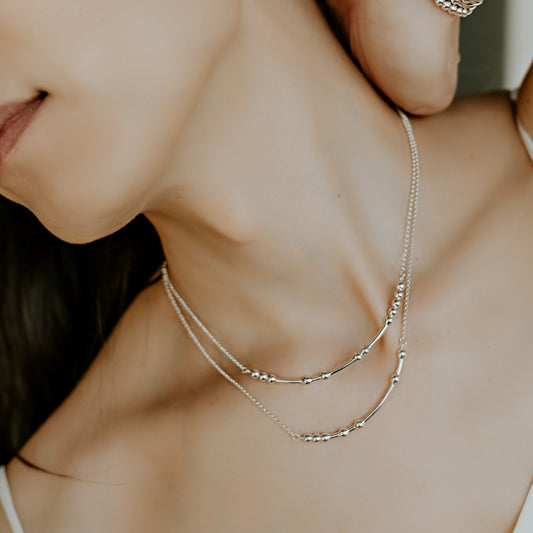
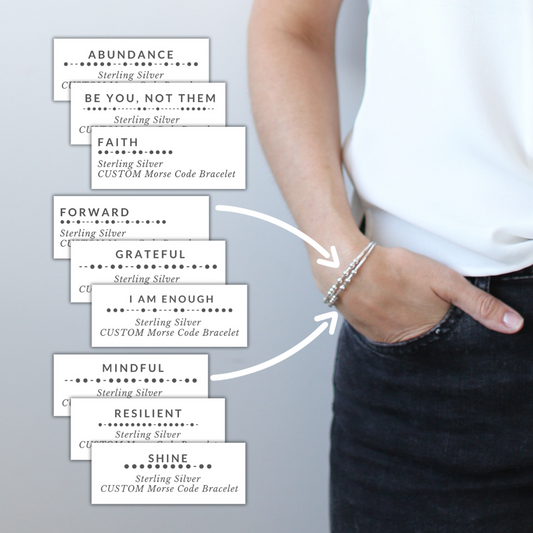
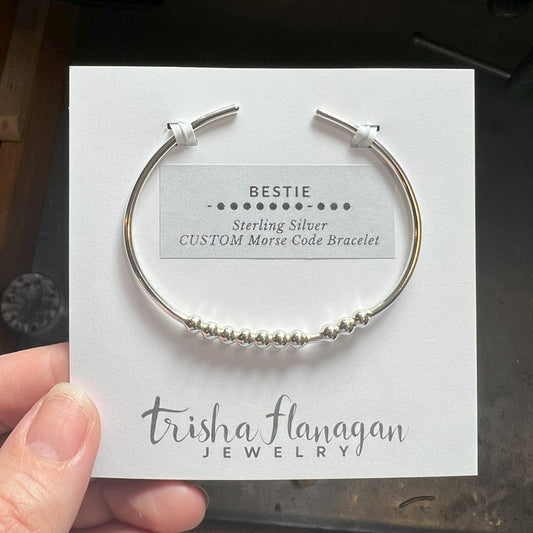
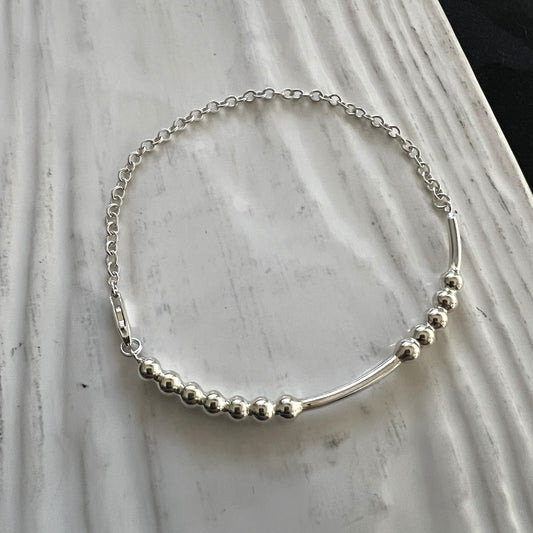
Sterling silver has a warm white, slightly soft tone — one of the reasons I love it for my Morse Code jewelry. It develops character over time that plated metals never achieve.
How to Know You're Buying Real Sterling Silver
Look for:
- 925 or STERLING stamp
- "Solid sterling silver" in the description
- No plating (avoid "silver tone," "silver dipped," "silver finish")
- Transparent material details
- Hypoallergenic assurance (since real sterling in nickel-free)
If a listing doesn't specify the metal — or uses vague wording — trust your gut.

Final Thoughts: Sterling Silver Is the Real Deal
Sterling silver has been used for centuries because it's:
- durable
- hypoallergenic
- recyclable
- easy to care for
- long-lasting
- timeless
Most myths come from misunderstandings or brands using "silver-colored" materials that muddy the waters.
My goal with this article is simple:
To help you feel confident choosing pieces that won't irritate your skin, will hold their value, and won't end up in the "regret drawer."
If you ever notice tarnish on your jewelry, don't panic — it's normal. Here's exactly how to clean it safely: How to Clean Silver Jewelry
Every piece I make — especially my Morse Code Collection — is handcrafted from solid sterling silver, never plated, never mystery metal.
Your comment helps others learn too — tell me which myth surprised you most.


1 comment
Wow I wear my sterling silver everyday, I’m also very rough as someone who has repaired my rings knows lol! Some this misleading info out there wow!!!!